Today · Friday
- Sales
- 09:00 – 20:00
- Service
- 07:00 – 17:00

Today · Friday
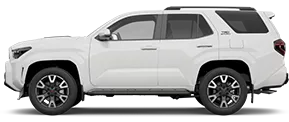
4Runner
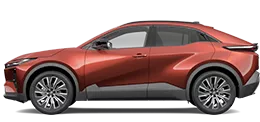
C-HR
2026 · 2027
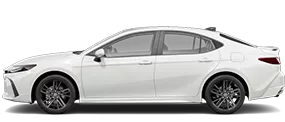
Camry
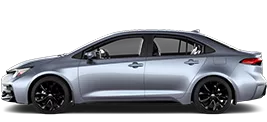
Corolla
2026 · 2027

Corolla CRoss

Corolla Hatchback
2026 · 2027
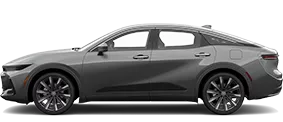
Crown
2026 · 2027

Crown Signia
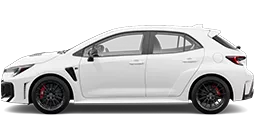
Gr Corolla
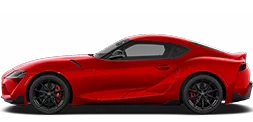
Gr Supra
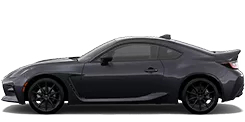
Gr86
2026 · 2027

Grand Highlander
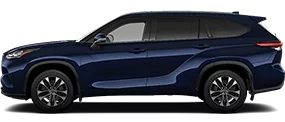
Highlander

Land CRuiser
2026 · 2027

Prius
2026 · 2027

Prius Plug In Hybrid
2026 · 2027
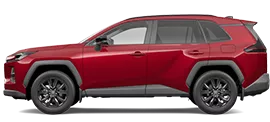
RAV4
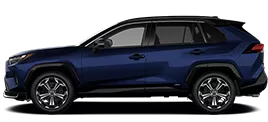
RAV4 Hybride Branchable
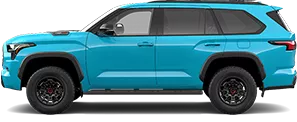
Sequoia
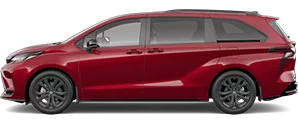
Sienna
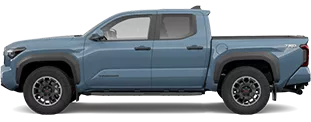
Tacoma

Tundra
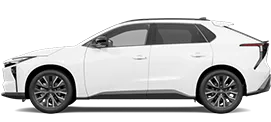
bZ
2026 · 2027
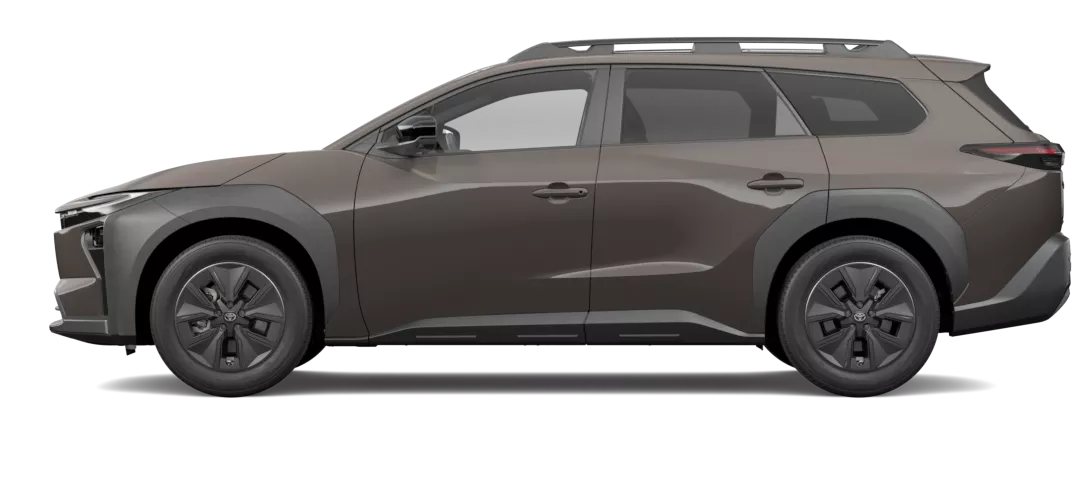
bZ Woodland
2026 · 2027
Téléphone : (450) 581-3540
Email : info@carrefour40640toyota.ca
Adresse : 100 Chemin des Quarante-Arpents, Charlemagne, Québec
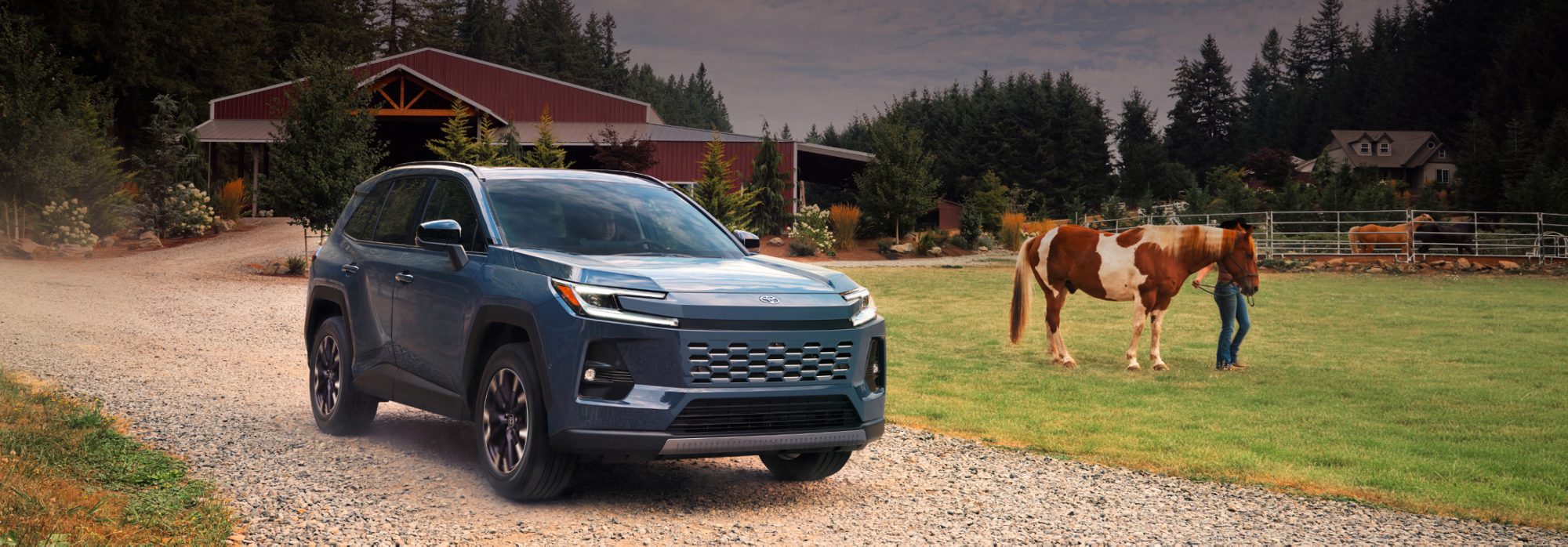
Hybrid electric
Nothing to plug in, nothing to plan. You fill up like before — just less often.
This is the technology Toyota has been refining for nearly thirty years, and the easiest to adopt: the vehicle decides on its own when to run on electricity and when to use gasoline. You do nothing differently.
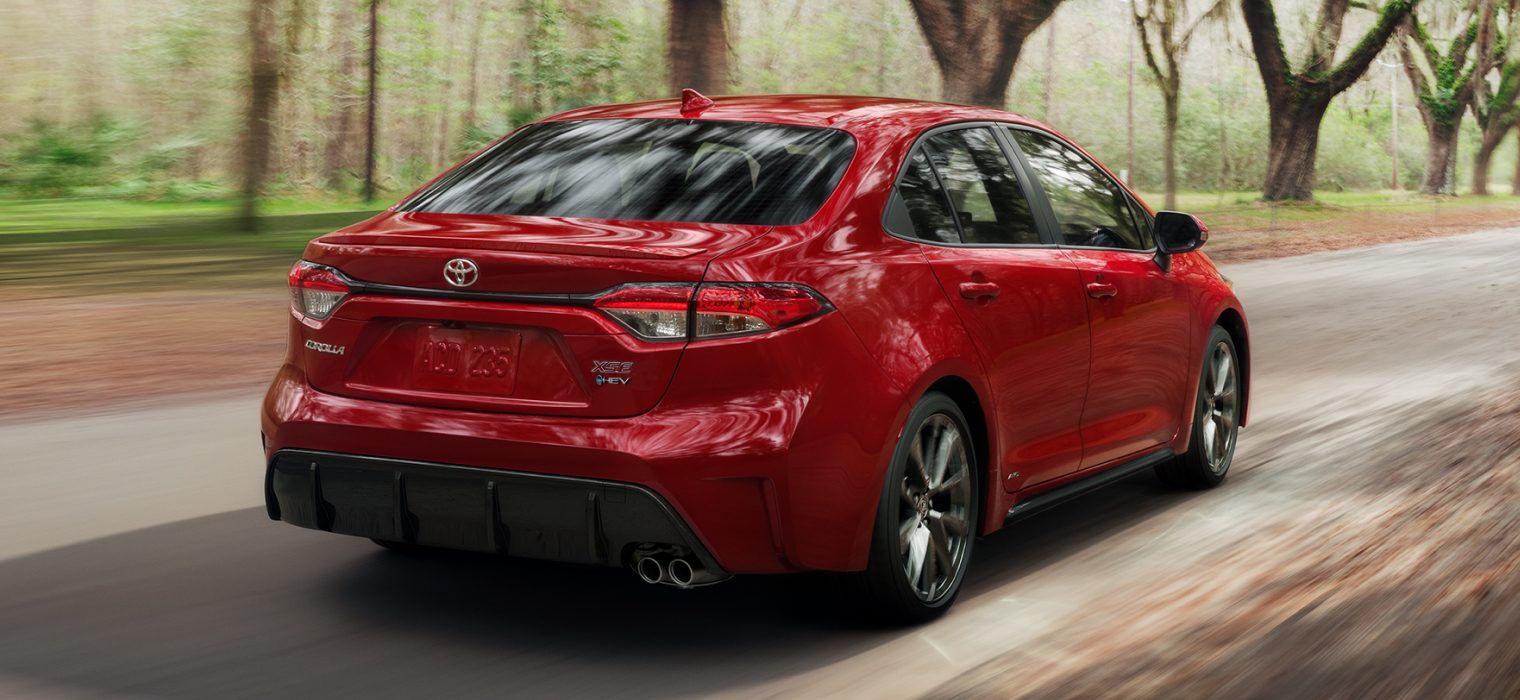
Every stop and every downhill recovers energy that would otherwise be lost as heat. The battery fills itself.
In town, at lights, in traffic, the gas engine stays quiet. That is where a hybrid saves most — exactly where an ordinary car burns most.
On the highway or under acceleration, the engine joins in. No range limits, no chargers to find.
Tap a model to see its versions, pricing and payments.
Never. The battery recharges as you drive and brake. That is the whole difference with a plug-in hybrid.
It carries its own warranty, longer than the base coverage. Previous-generation Toyota hybrids routinely pass 300,000 km on their original battery.
Yes, with no particular constraints. Like any car, consumption rises in deep cold, but you have no charger to find and no range to watch.
No, often the opposite: the electric motor assists braking, so pads last longer. Servicing follows the normal Toyota schedule.
Tell us how many kilometres you drive a day and whether you can plug in at home. In two minutes we will tell you which of the three makes sense — and which does not.
All technologies